Hear from our Students: Antarctica's Silent Impact
How Isolation Changes the Brain
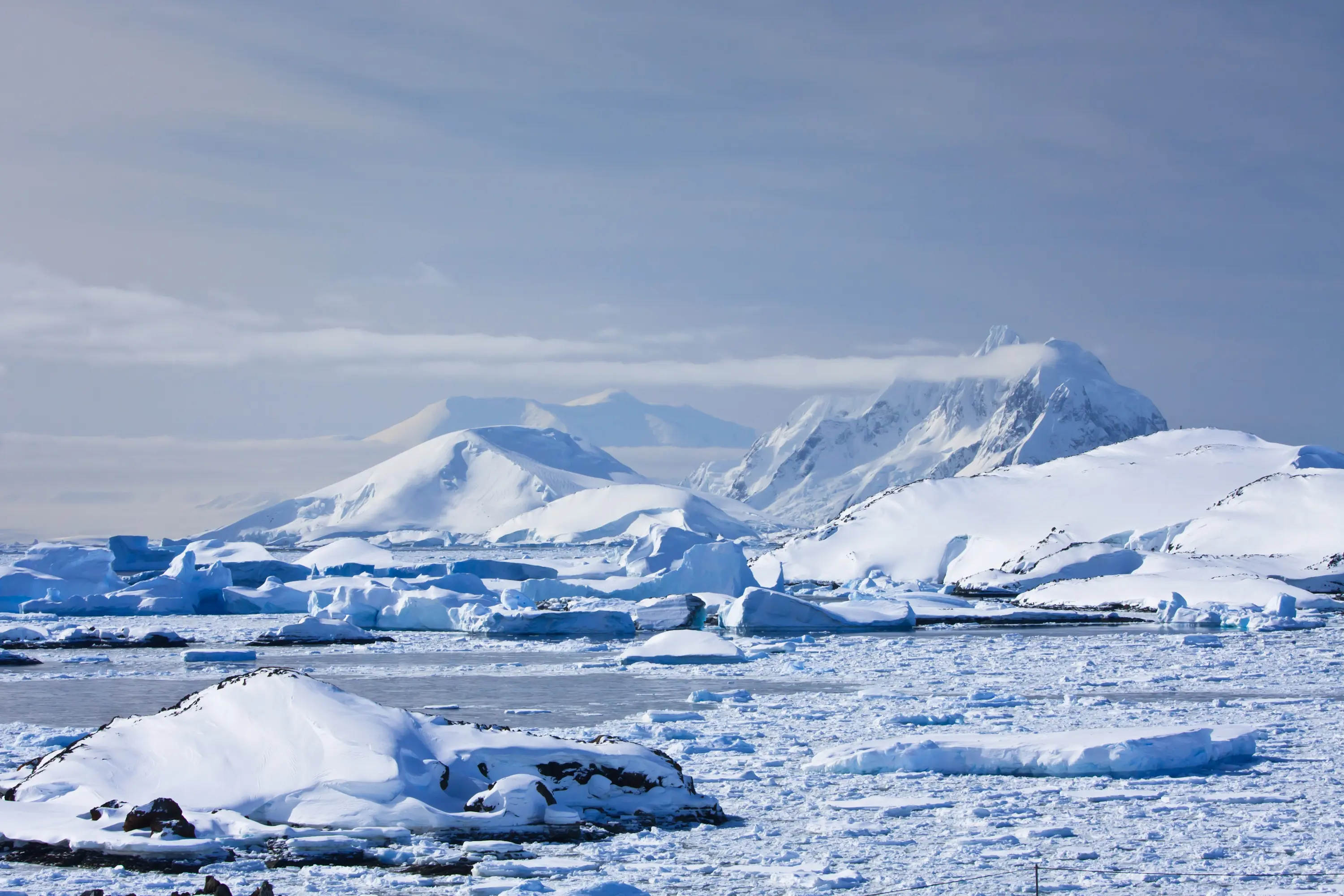
Antarctica is one of the coldest and most extreme places on Earth. People working there are in conditions of full isolation, nestled between cold and identical landscapes. Nevertheless, with global warming, Antarctica is increasingly considered to become a place of future life. This is the reason researchers intensively investigate the role of such severe conditions on human health. Previous research showed that being in Antarctica for a year can cause alterations in the brain’s structure and cognitive functions, including attention and memory.
Research
The research was conducted with a small sample of volunteers, members of an Antarctic expedition who were spending 12-14 months in a full isolation surrounded by cold and harsh environments. Before the trip, the participants underwent brain MRI scans and completed multiple cognitive tests. The same procedures were completed after the participants came back to compare the data and detect changes. During the expedition, the researchers also tracked the psychological condition of the participants, specifically neurotrophic factor (BDNF) levels. BDNF is the protein evolved in the growth and neuronal regeneration. The researchers tried to maintain similar living conditions between participants: same food, lifestyle and restricted social contacts. This enabled researchers to find possible correlations between biological and
mental changes and the influence of the isolation and extremal environment, eliminating external factors.
Results
The results demonstrated that the lasting stay in the isolation in Antarctica is connected to a reduction in the volume of the hippocampus, especially in the dentate gyrus, which is responsible for neuronal regeneration. There were also reductions in the volume of areas responsible for executive functions. These structural changes correlated with the deterioration of selective attention and memory impairment, which would seem to suggest a direct link between environmental conditions and cognitive abilities. This expedition helped people to understand how the human brain reacts to lasting isolation and restricted conditions, like in space missions or underwater stations. Moreover, the results highlight the importance of social interaction and communication, environmental diversity, and mental stimulation for cognitive health maintenance.
by Maria (IB27) for Clarity Magazine