GLOBAL LEARNING THAT
LASTS A LIFETIME
Key Facts
| Age | 16-19 years old |
|---|---|
| Start Dates | September |
| Length | 2 years |
| Class Size | 15 students maximum |
| Lessons | 30 hours, Monday – Friday |
| Lesson Length | 55 minutes |
Why Study the IB Diploma programme at St Clare's?
| 1. Academic Excellence and Recognition |
| We are a top UK IB school, with 90% of students scoring above the world average and we regularly have students achieving the maximum 45 points (top 1% globally). Our international reputation for excellence is built on high expectations, academic challenge, and personalised support. |
| 2. Nearly 50 Years of IB Expertise |
| As the oldest IB World School in England, St Clare’s offers unmatched IB expertise. Our teachers have unrivalled experience and teach IB teachers, ensuring a high-quality, globally aligned learning experience. |
| 3. International and Inclusive |
| Internationalism is a core part of our mission, reflected in our diverse student body of over 45 nationalities, and our IB curriculum. An inclusive culture of mutual respect, intercultural dialogue, and open-mindedness fosters globally minded, confident young people. |
| 4. Holistic Wellbeing |
| Our students stand out as happy, fulfilled young people readying themselves for the world. We foster a safe and kind environment where every student feels supported, with strong relationships and a dedicated pastoral system, creating a sense of belonging rooted in mutual respect. |
| 5. Personalised Learning for Life |
| With an average class size of just 9, every student receives individualised support. Our personal tutor system provides tailored academic and pastoral guidance, helping students grow in confidence and take ownership of their learning. |
| 6. Oxford: Academic Challenge |
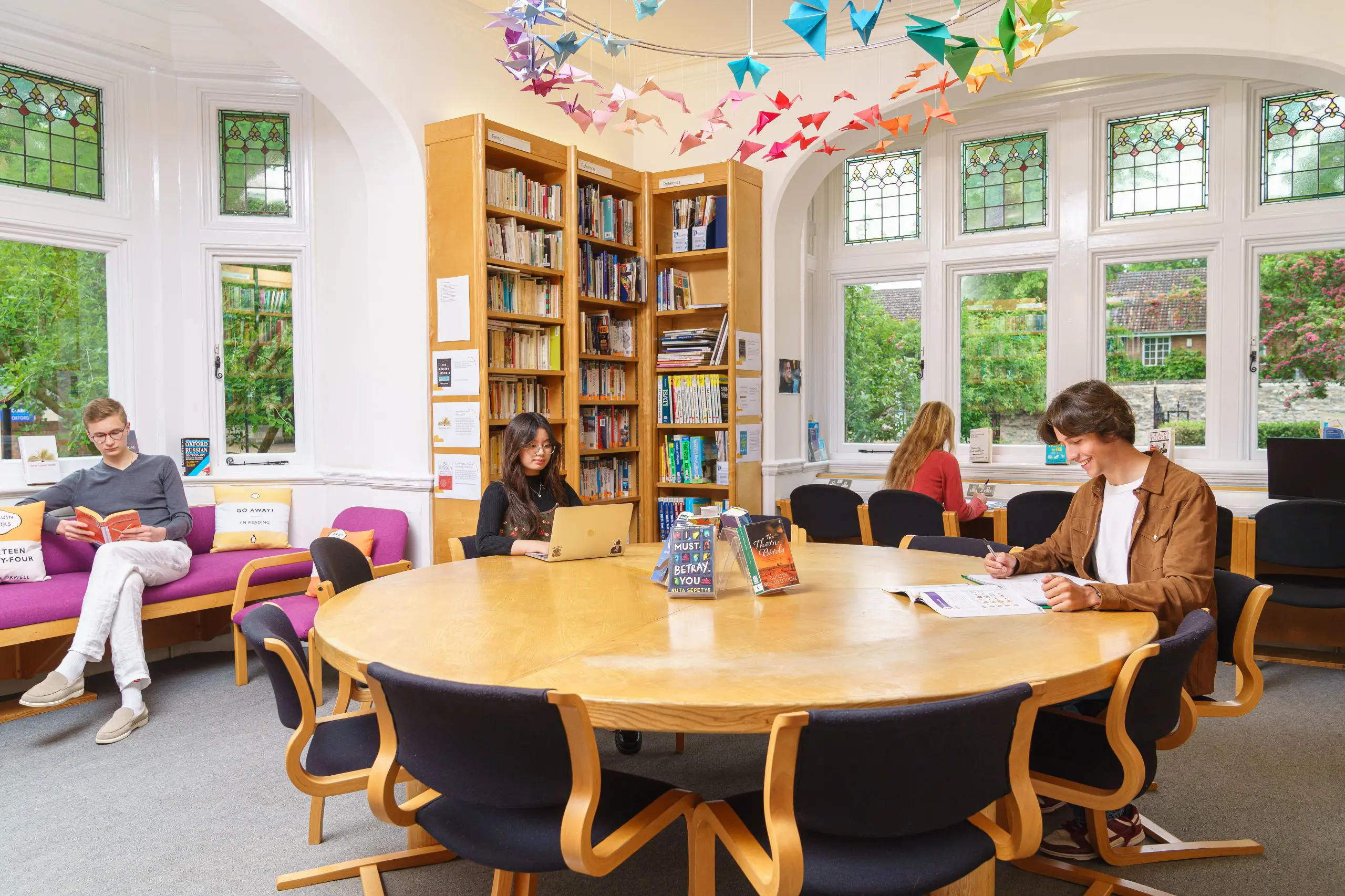
| Being located in the academic city of Oxford, gives students unique opportunities: to attend public university lectures, get involved in research projects, and learn from Oxford-affiliated faculty. Our university-level library, academic clubs, and global competitions stretch thinking far beyond the curriculum. |
| 7. Independence and Autonomy |
| Students are empowered to manage their own time, balance commitments, and make meaningful decisions about their learning. This trust builds resilience, independence, and maturity, skills essential for life after St Clare’s. Our alumni feel well-prepared for university and beyond. |
| 8. Future Global Leaders |
| Our Leadership Programme is integrated into student life, with students developing skills in decision-making, teamwork, ethical leadership, and initiative, to become future influential changemakers. |
| 9. Unmatched University Guidance |
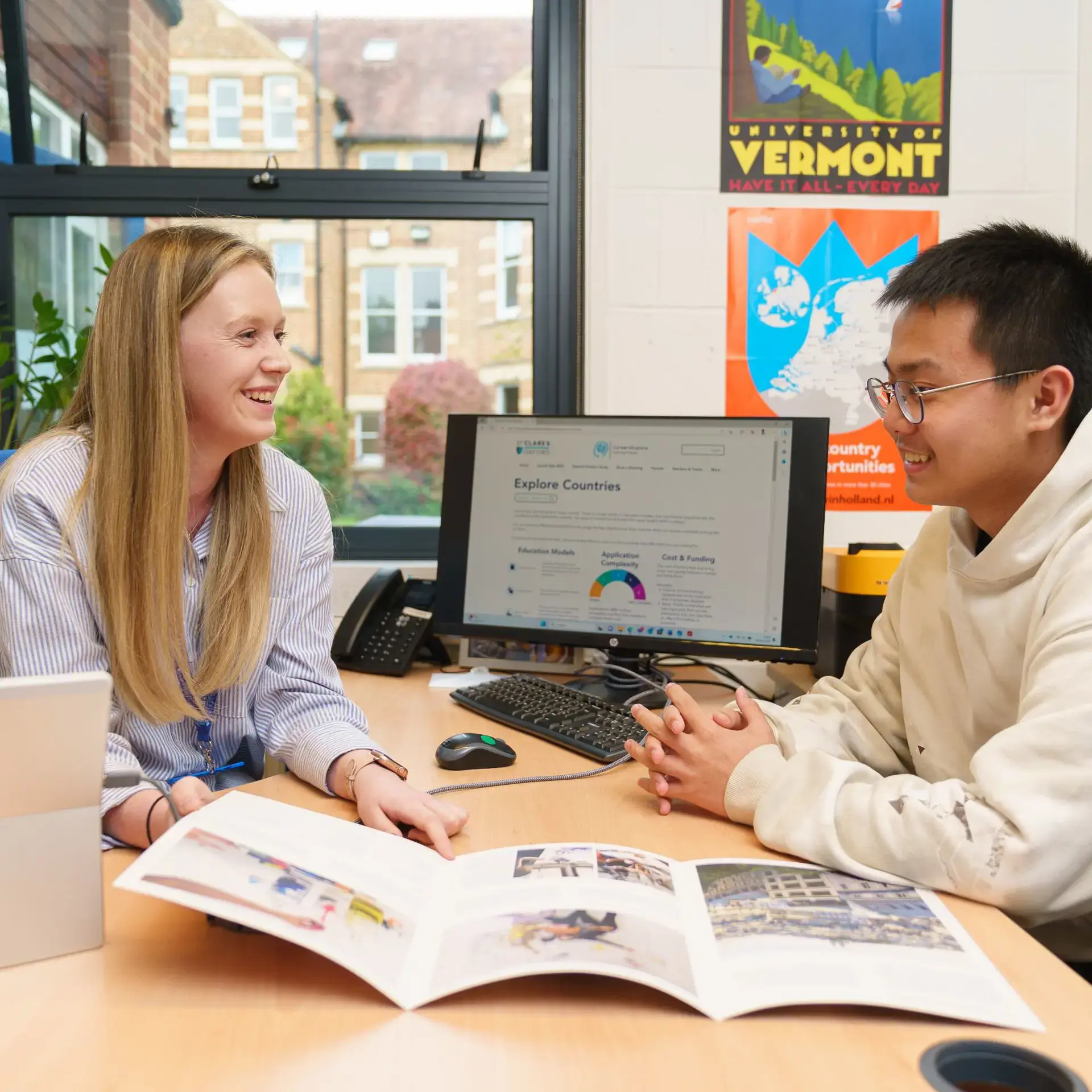
| Our University and Careers Counselling team provide individual support and a rigorous careers programme to help our students reach the best university, internship, or gap year experience for them. About 90% attend their first-choice university, including leading international institutions and competitive courses around the world. |
| 10. Global Impact, Guided by Purpose |
| Founded after World War II, St Clare’s is driven by our mission to “advance international education and understanding.” Students are encouraged to think critically, challenge ideas, collaborate across cultures, and engage with real-world issues – graduating ready to make a positive difference in the world. |
IB vs. A Levels
Choosing the right pathway at 16–18 is a big decision. While A Levels offer depth in a small number of subjects, they don’t provide the same breadth, international approach or holistic skills development experienced on the IB Diploma.
Core Elements
These core elements are compulsory components of the IB Diploma and are designed to help you learn and develop skills beyond the classroom.
PROGRAMME
STRUCTURE

What is TOK? | What is EE? |
Additional Elements
- Core Plus: a bespoke course that students follow in Term 1, to prepare them with the skills needed for success in the IB Diploma Core elements, and the start of their University and Career Counselling guidance.
- Global Futures: students cover modules looking at topics around global citizenship, developing relationships, study skills and emotional resilience.
Course Subjects
We offer a wide range of subject courses at Higher and Standard level:
- Standard level (150 teaching hours): in-depth knowledge of the subject and an opportunity to develop key skills
- Higher level (240 teaching hours): a deeper understanding of key topics and concepts as well as the chance to enhance your skills
Students need to select 3 subjects at standard level (SL) and 3 subjects at higher level (HL), from 6 subject groups:
| Group | Subject Area | Course Options | Level |
|---|---|---|---|
| 1 | Studies in Language and Literature 'First language or native language' | Literature: Albanian, Bulgarian, Danish, Dutch, English, French, German, Italian, Lithuanian, Mandarin, Norwegian, Polish, Portuguese, Romanian, Russian, Serbian, Slovak, Spanish, Swedish, Turkish and Ukrainian | SL only |
| Literature: English, German, Italian, Russian | HL | ||
| Language and Literature: English (includes additional study of non-literary texts) | SL or HL | ||
| If you are fluent in more than one language, you can take two languages in Group 1. A bilingual diploma is awarded to any student who takes a language other than English in Group 1. | |||
| 2 | Language Acquisition 'Second language' | Ab initio (beginner level): Mandarin or Spanish | SL only |
| Language B (intermediate level): English, French, Mandarin, Spanish or German | SL or HL | ||
| Instead of a Group 2 language, students can take two languages in Group 1. | |||
| 3 | Individuals and Societies |
| SL or HL |
| 3 and/or 4 | Interdisciplinary | Environmental Systems and Societies | SL or HL |
| 4 | Science |
| SL or HL |
| 5 | Mathematics | Analysis and Approaches | SL or HL |
| Applications and Interpretation | SL We do not currently offer Applications and Interpretations at Higher Level, although this course may be available upon request. | ||
| 6 | Arts Or another course from Groups 1-4 |
| SL or HL |
Course Details
| Group 1: Studies in Languages and Literature |
LiteratureStudents study a range of literary texts and develop skills in interpretation, analysis and evaluation. Texts studied are selected from different literary forms and from variety of countries and cultures (including works in translation). Students develop and are assessed on their skills in listening, speaking, reading and writing. |
Language and Literature (English only)This course develops the same skills and follows the same assessment model as the Literature course - the difference is in the content of what is studied. In addition to a range of literary works, students also study a variety of non-literary texts. |
| Group 2: Language Acquisition |
Ab Initio (Beginner Level) Mandarin or SpanishThe ab initio courses aim to develop language confidence in a range of contexts and for a variety of purposes. These courses also develop international mindedness through consideration of cultural contexts and issues of global significance. Language skills are developed through the exploration of five prescribed themes - identities, experiences, human ingenuity, social organisation and sharing the planet. |
Language B (Intermediate Level) English, French, Mandarin, Spanish or GermanThese courses aim to develop language confidence, fluency and accuracy as well as expand students’ vocabulary and intercultural understanding. Both SL and HL develop language skills through exploration of the five prescribed themes - identities, experiences, human ingenuity, social organisation and sharing the planet. At HL, students also study literary works in the chosen language. |
| Group 3: Individuals and Societies |
Business ManagementStudents analyse, discuss and evaluate business environments and activities at local, national and international levels. Through the study of real-life case studies and exploration of six underpinning concepts (change, culture, ethics, globalisation, innovation and strategy), the course allows students to develop a holistic understanding of today’s complex and dynamic business environment. |
HistoryThis world history course encourages student to foster a sense of inquiry when exploring, understanding and interpreting the past and its impact on the world today. The course is focused on the key historical concepts of change, continuity, causation, consequence, significance and perspectives. It includes the study of real-life case studies and students will explore international perspectives from places like Germany, Italy, Spain, the USA, Cuba and the People’s Republic of China. |
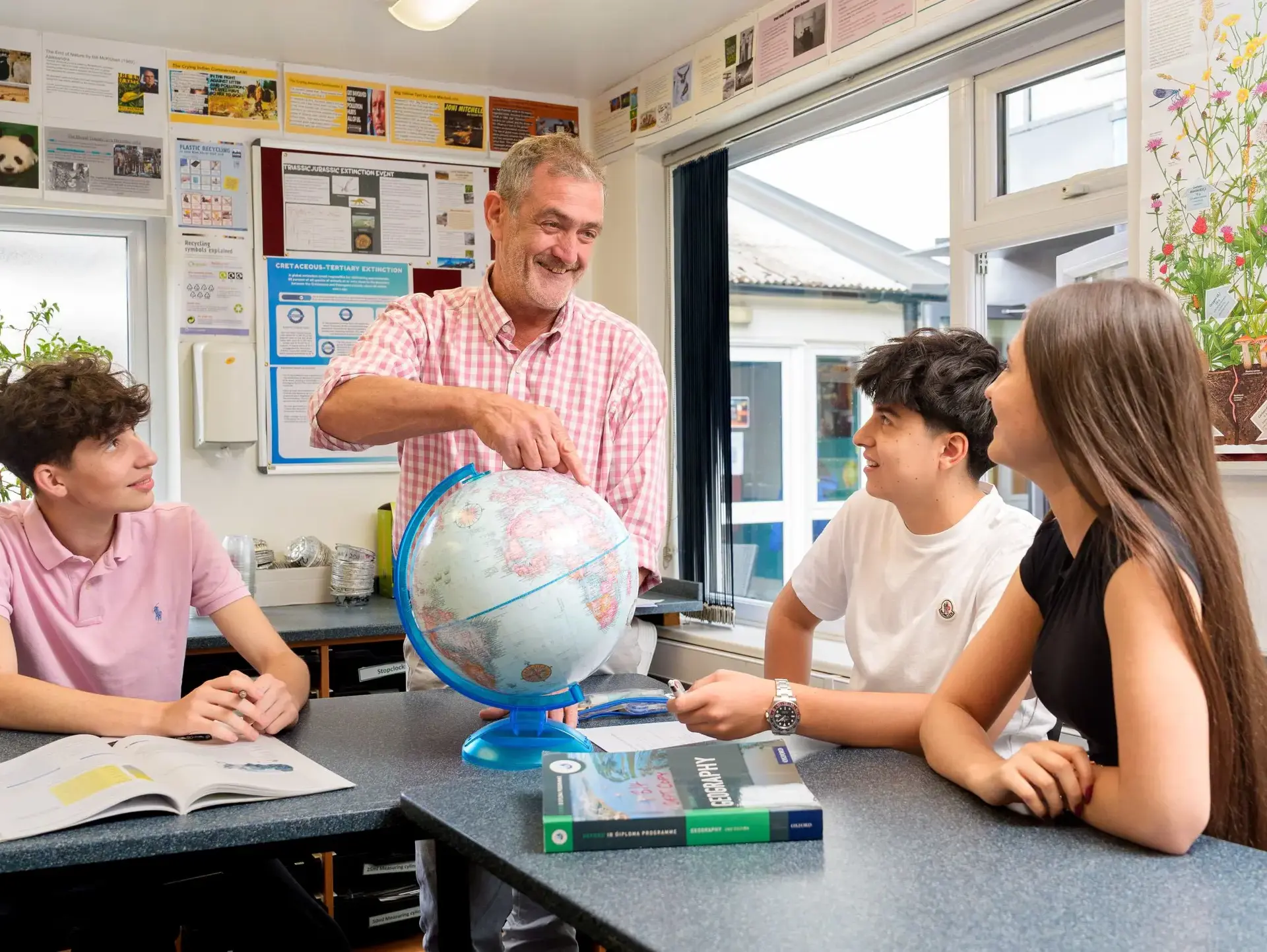
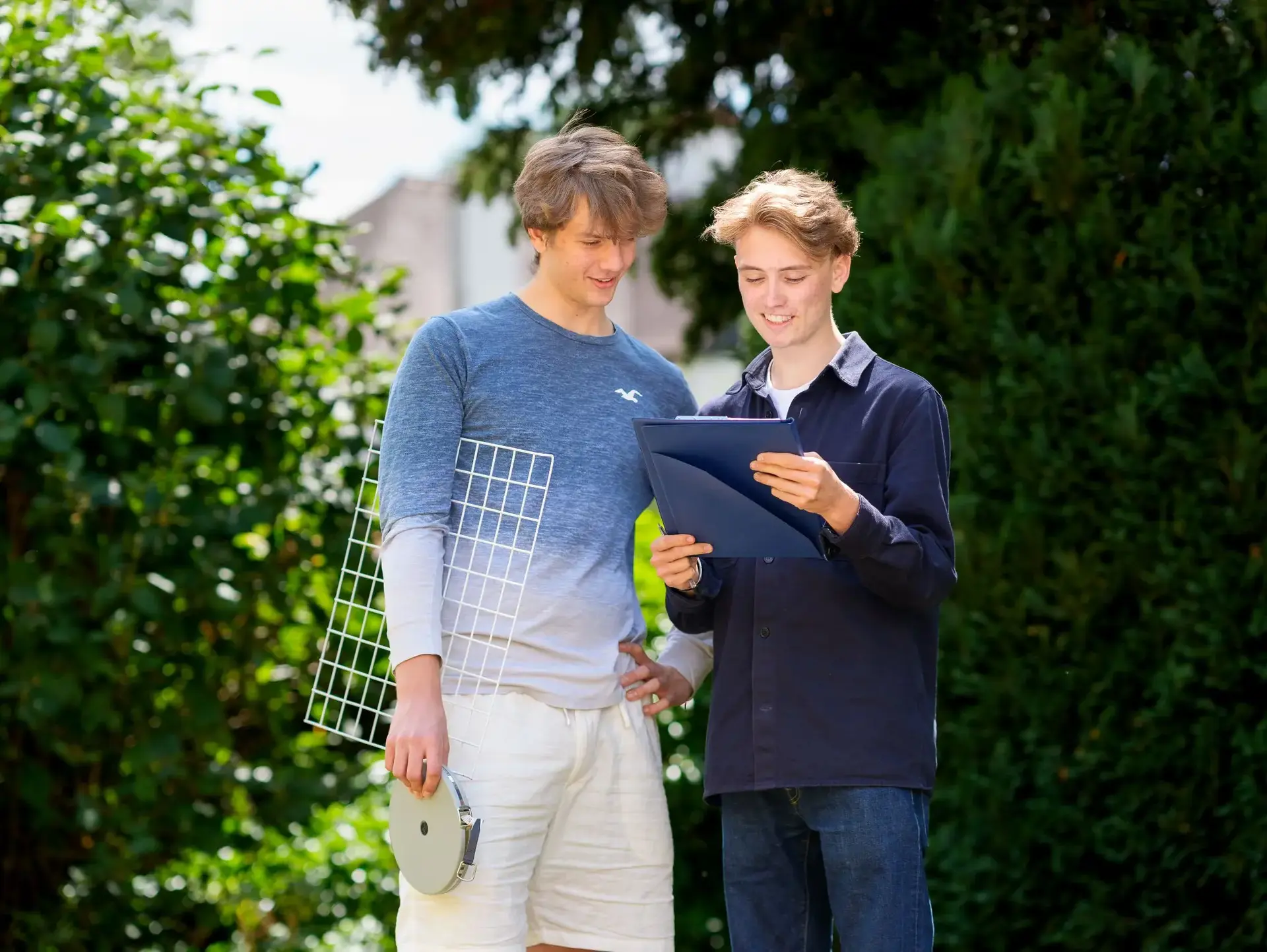
GeographyThis course is firmly grounded in the real world and focuses on the interactions between individuals, societies and the physical environment in both time and space. Students explore different perspectives on global change through an approach that integrates physical, environmental and human geography. This includes field work, examining scientific and socio-economic methodologies, identifying trends and patterns as well as evaluating the process behind them. |
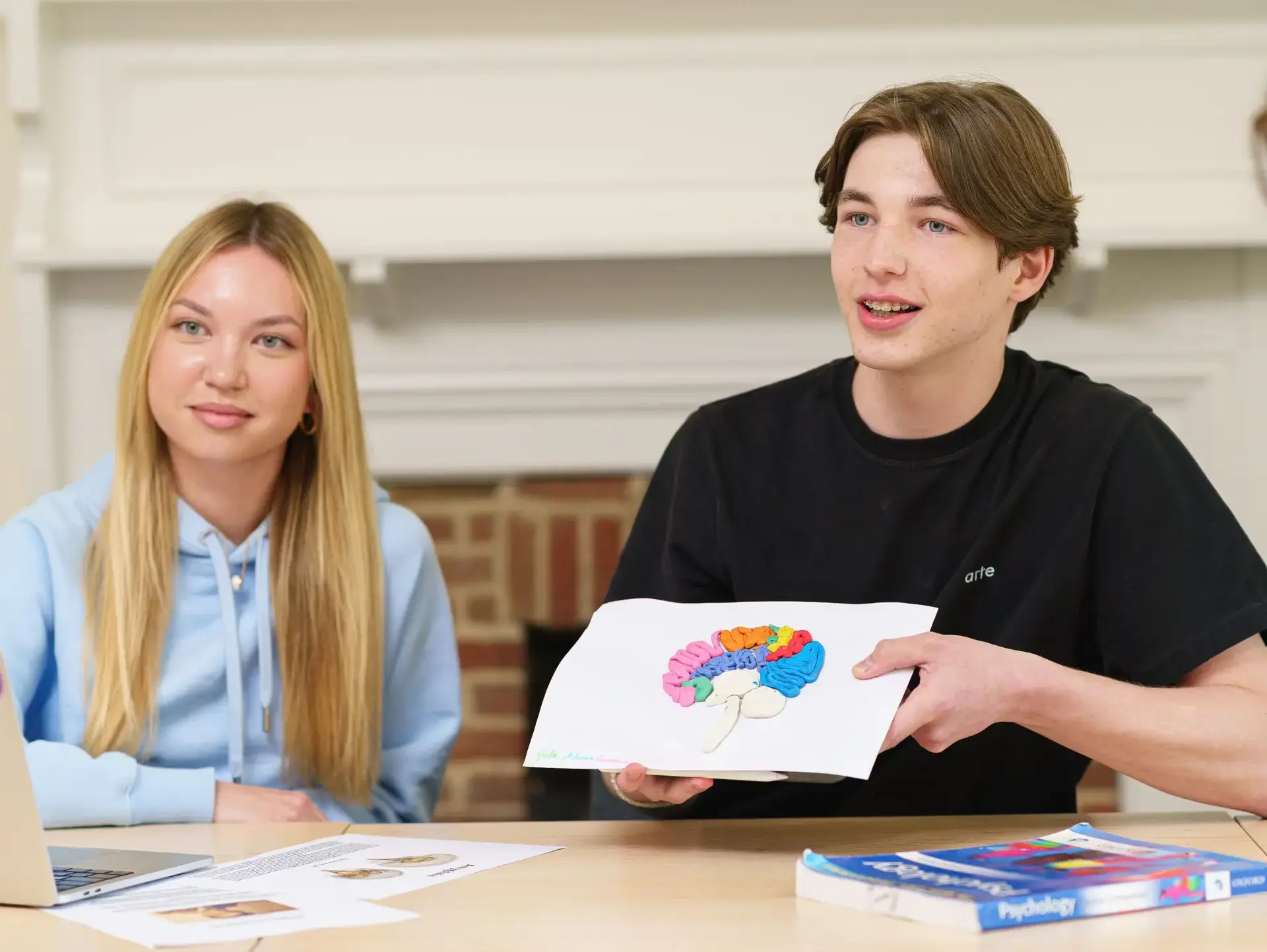
PsychologyStudents explore psychology in the context of biological, cognitive and sociocultural perspectives, and use these different approaches to examine topics such as Abnormal Psychology, Health Psychology and the Psychology of Human Relationships. Additionally, students learn about research methods in psychology and then apply this learning by conducting their own experimental study. |
EconomicsStudents focus on the behaviour of individuals, households, firms and markets under different economic conditions. They also examine economic theories, models and key concepts to examine the ways in which choices are made: at the level of producers and consumers in individual markets (microeconomics); at the level of the government and the national economy (macroeconomics); and at an international level, where countries are becoming increasingly interdependent (the global economy). Through their own inquiry, students also develop experience in critical analysis and empirical decision-making. |
Global PoliticsStudents explore key political concepts such as power, sovereignty, legitimacy and interdependence through the study of a variety of political theories, systems and case-studies. Students investigate real-life examples of global politics, explore a range of perspectives and evaluate the impact of political decisions on a national and international scale. Our Model United Nations club (CAS) offers the chance for students to deepen their understanding. |
| Group 3 or 4: Environmental Systems and Societies |
Environmental Systems and SocietiesStudents focus on the structure and function of environmental systems. Students learn how to analyse and interpret data, as well as investigate and evaluate the impact of human societies on the natural world. This course promotes holistic thinking and encourages students to participate in philosophical discussions on environmental issues at a personal, community and global scale. |
| Group 4: Science |
BiologyAs the study of living organisms, Biology explores the interaction between cell and tissues, organs and organisms, as well as individuals and populations. Students develop a secure knowledge of the broad biological principles whilst attempting to understand the living world at all levels using different approaches and techniques. Practical work and a field trip in the summer term are essential requirements. |
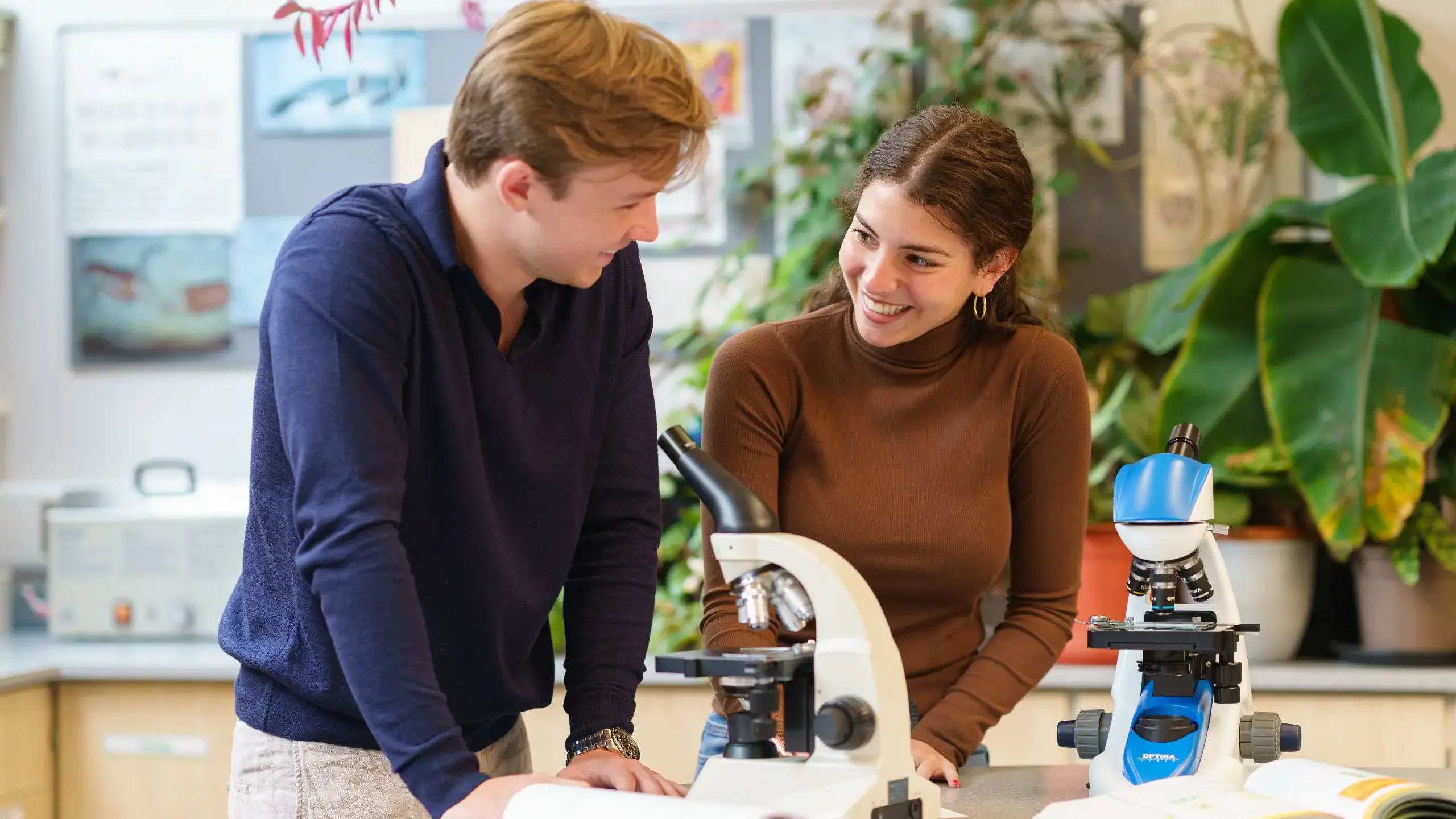
ChemistryStudents focus on experimental science as well as the development of representative models and explanatory theories. The course involves practical work, collecting and interpreting data, and observation is essential. Students investigate and question many theories on the properties and reactions of matter. Areas of study include Models of bonding and structure, Models of the particulate nature of matter, and the mechanisms of chemical change. |
PhysicsThis course requires a mathematical approach to the subject content to ensure an understanding of models, theories and laws. The curriculum offers opportunities for research and discovery in a range of scientific methods. Students study topics within five broad themes: Space, time and motion; The particulate nature of matter; Wave behaviour; Fields; and Nuclear and quantum physics. |
Computer ScienceThis course requires an understanding of the fundamental concepts of computing systems and the ability to apply the computational thinking process to solve problems in the real world. The course also requires students to develop skills in algorithmic thinking and computer programming. |
| Group 5: Mathematics |
Mathematics: Analysis and ApproachesThis course includes topics that are traditionally part of a pre-university mathematics course. These include functions, trigonometry, calculus as well as topics that are amenable to investigation, conjecture and proof like the study of sequences and series. Analysis and Approaches allow the use of technology such as relevant mathematical software. However, there is a strong emphasis on constructing, communicating and justifying correct mathematical arguments. |
Mathematics: Applications and InterpretationThis course has an emphasis on the meaning of mathematics which is explored through applications and mathematics modelling. This course includes topics that are traditionally part of a pre-university mathematics course such as calculus and statistics. Students on the Applications and Interpretation course solve practical mathematical problems and consider the use of technology to justify conjectures. |
| Group 6: Arts |
MusicThis holistic course has a multifaceted approach and appeals to musicians with diverse motivations and musical preferences. Students develop the skills to think in sound and respond to diverse musical stimuli. Students explore and experiment with musical ideas and concepts, whilst building confidence on the concert platform. Students are encouraged to take advantage of the opportunities in Oxford to engage with leading musicians and musicologists. All assessment is through coursework; there are no examinations on this course. |
TheatreStudents focus on performance skills and techniques, as well as the philosophy of the theatre arts. It is a dynamic and collaborative course that encourages discovery through practical inquiry, experimentation, creative risk taking and the presentation of ideas to others. Our school activities (including CAS) offer students the chance to extend their experience and learn from visiting professionals from the performing arts industry. All assessment is through coursework; there are no examinations on this course. |
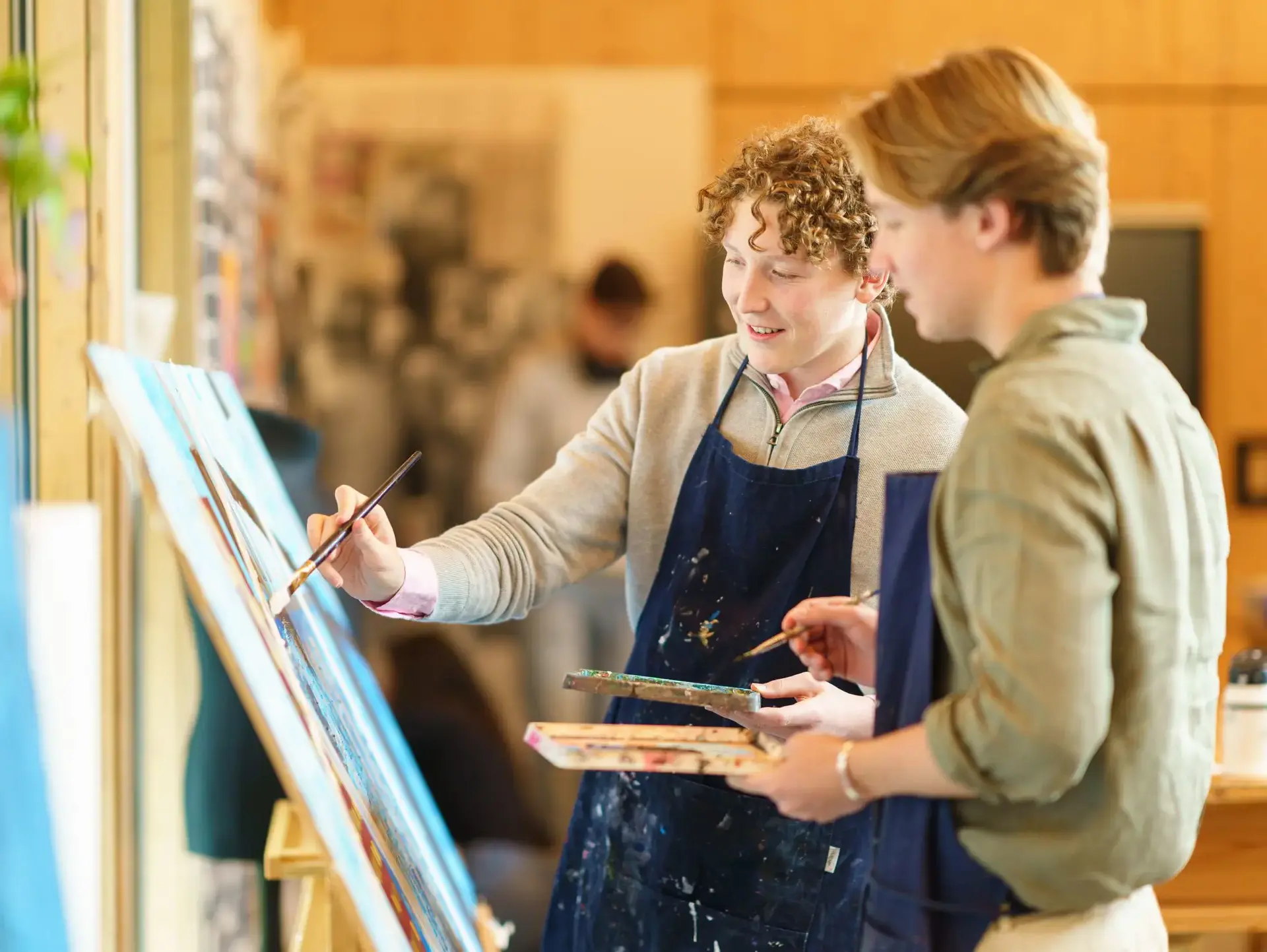
Visual ArtsThis thought-provoking course empowers students to experiment with a range of creative techniques to become skilled visual artists. Learning takes place in our state-of-the-art studio and students are given individual support from our teachers who are experienced IB educators and practising creative artists. Students develop their critical observation skills and explore inspiration from local architecture, museums and art galleries. A portfolio and exhibition form part of the assessment which is all through coursework; there are no examinations on this course. |
Student Stories
More Student Stories
Discover what's next.
Begin your path to success.
Explore courses, connect with us, and unlock your potential.